Why Regular Dental Exams Can Save You Thousands in Future Treatment Costs
Finding the right family dentist in Olathe, Kansas is one of the most important healthcare decisions you’ll make for your family. A great dentist isn’t just someone who cleans teeth twice a year they become a long-term health partner who knows your family’s history, catches problems early, and makes dental care a positive experience for every age. This guide walks you through exactly what to look for, what red flags to watch out for, and why the right choice makes a real difference for your family’s health and budget.
Quick Answer
Many dental practices in the Olathe and Johnson County area describe themselves as “family dentists” but in practice prioritize adult patients and squeeze children in reluctantly. A genuine family dental practice is one where the dentist is equally comfortable and skilled with a two-year-old’s first visit as with a 70-year-old’s denture consultation.
What to look for:
- The dentist personally treats children not just a hygienist working alone
- The office has a warm, welcoming environment that doesn’t intimidate young patients
- They offer pediatric-specific services: fluoride treatments, sealants, growth monitoring
- They recommend first dental visits by age 1 the gold standard per the American Academy of Pediatric Dentistry
At Mur-Len Family Dentistry in Olathe, Dr. Navkiran Warya genuinely loves working with young patients. Families from neighborhoods near Olathe South High School, California Trail Middle School, and Cedar Lake trust her with every age group because the experience is consistent, caring, and positive across the board.
Why Are Regular Dental Exams So Important?
Many dental conditions develop slowly and quietly. In the early stages, they often don’t cause pain or noticeable symptoms. This means you could have a cavity, gum disease, or even an infection without realizing it.
Regular dental exams allow your dentist to monitor your oral health over time and detect changes before they become serious.
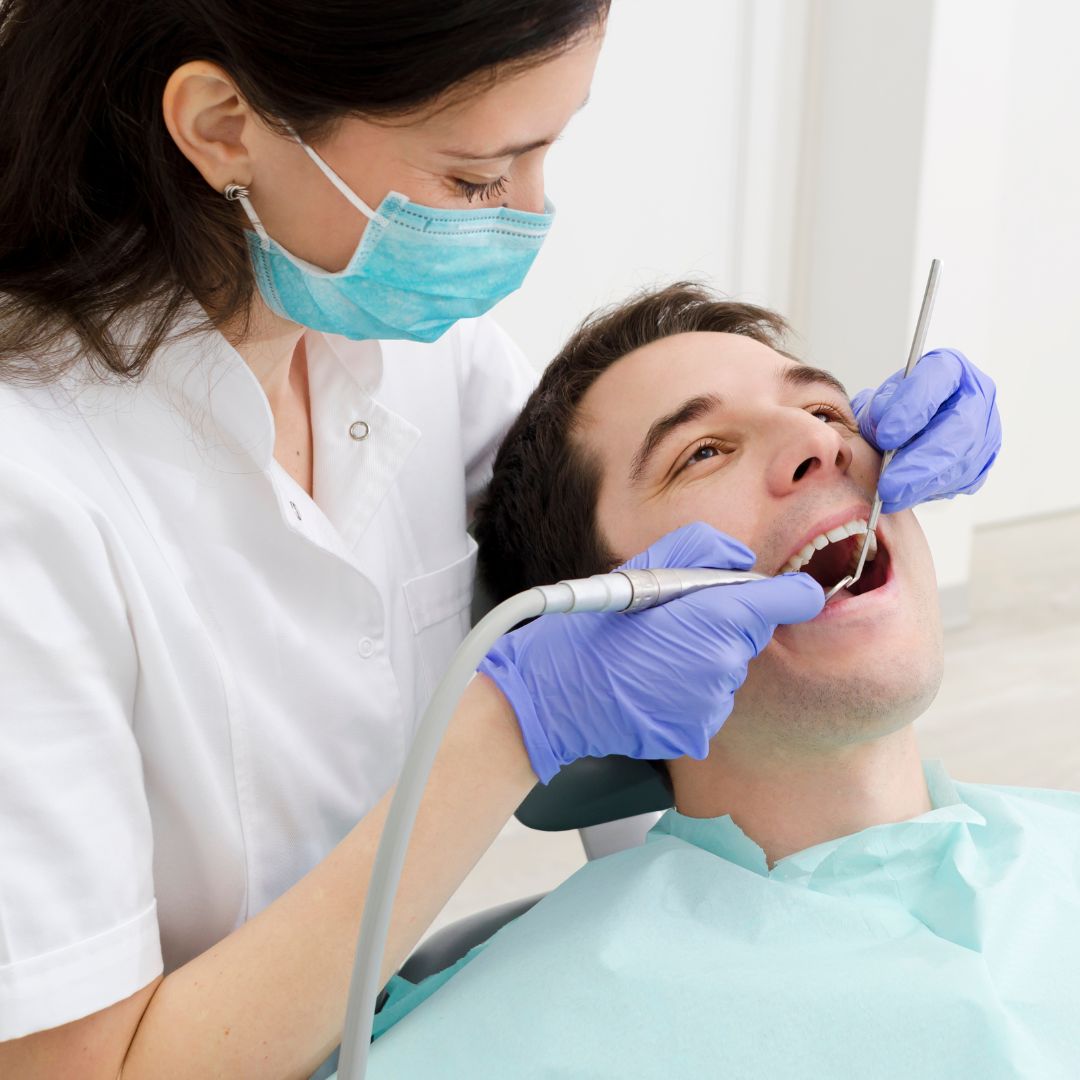
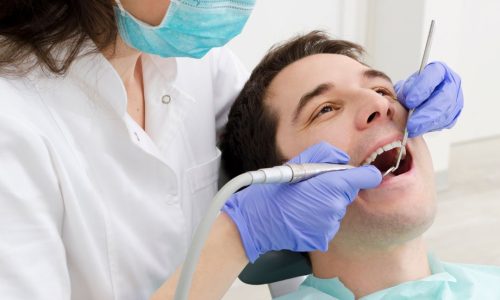
A routine exam is about much more than checking for cavities. It provides a complete evaluation of your teeth, gums, jaw, bite, and overall oral health.
What Happens During a Routine Dental Exam?
At Mur-Len Family Dentistry, every exam is designed to provide a thorough understanding of your oral health.
A typical dental exam may include:
- Review of your medical and dental history
- Digital dental X-rays (when needed)
- Examination of each tooth
- Gum health evaluation
- Oral cancer screening
- Bite analysis
- Assessment of existing fillings, crowns, and restorations
- Professional cleaning (if scheduled)
- Personalized treatment recommendations
These evaluations allow Dr. Warya to identify problems while they’re still small and easier to treat.
Small Problems vs. Big Expenses
One of the biggest advantages of preventive dentistry is catching problems early.
Consider how treatment needs can change over time.
Problem Found Early | If Left Untreated |
Small cavity | Root canal and crown |
Early gum inflammation | Advanced periodontal disease |
Minor crack | Broken tooth requiring crown or extraction |
Worn filling | Large cavity beneath restoration |
Teeth grinding | Severe enamel wear and fractures |
Minor bite issue | TMJ discomfort and tooth damage |
Early treatment is typically less invasive, less time-consuming, and significantly less expensive than treating advanced dental disease.
How Cavities Become Costly
Most cavities begin as tiny areas of enamel damage.
At this stage, treatment is simple.
However, if decay continues to spread, it eventually reaches the deeper layers of the tooth where the nerve is located.
Here’s how the progression often looks:
Stage | Typical Treatment |
Early enamel cavity | Small filling |
Moderate decay | Larger filling |
Deep decay | Root canal |
Extensive damage | Crown |
Tooth cannot be saved | Extraction and replacement |
Routine exams help identify decay before it reaches the nerve, helping preserve more of your natural tooth.
Gum Disease Is Often Silent
Many patients are surprised to learn they have gum disease because they don’t feel any pain.
Early symptoms may include:
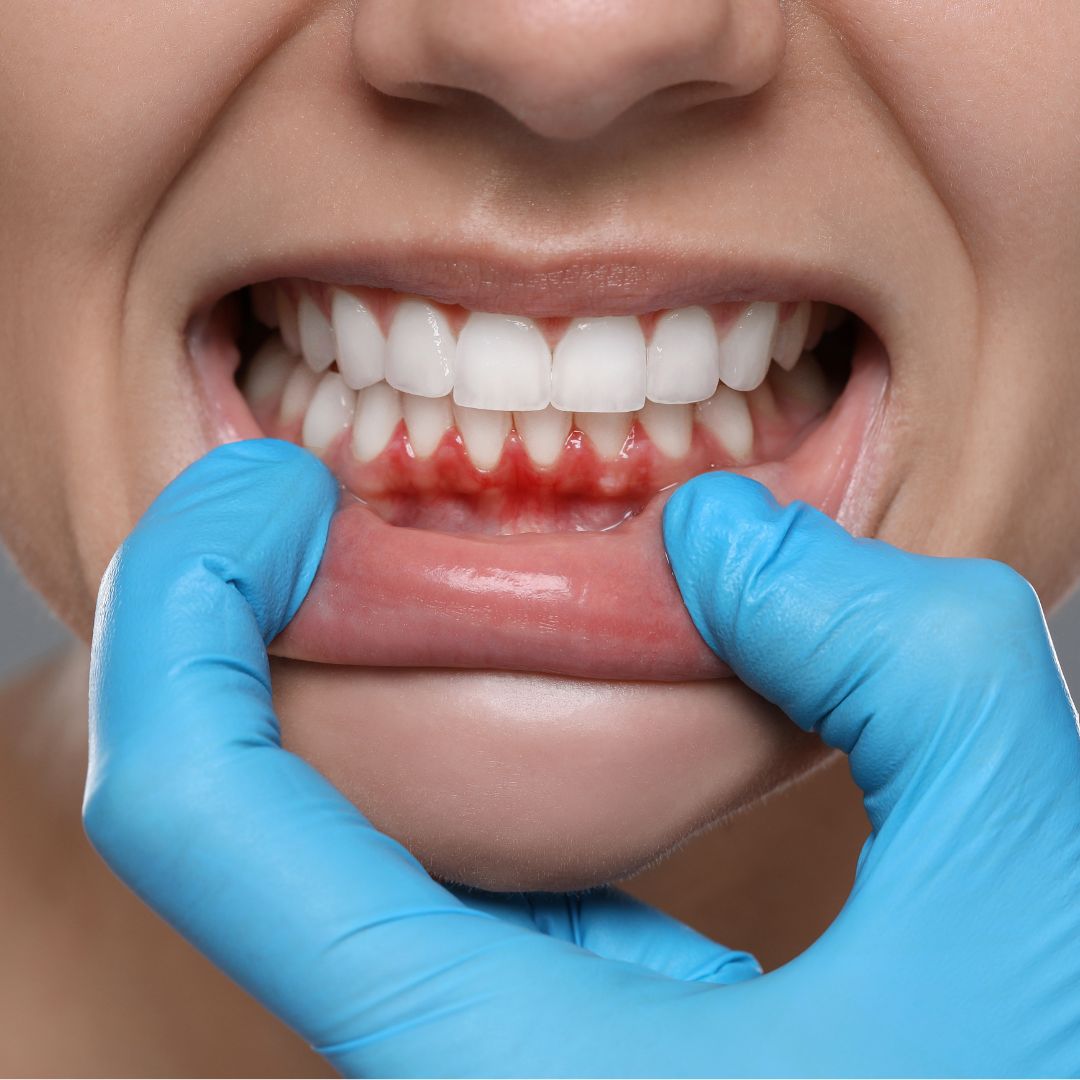
- Bleeding while brushing
- Red or swollen gums
- Persistent bad breath
- Gum tenderness
- Slight gum recession
When caught early, gum disease is usually manageable with professional cleanings and improved home care.
If ignored, it can lead to:
- Bone loss
- Loose teeth
- Tooth loss
- Complex periodontal treatment
- Increased restorative costs
Regular exams allow your dentist to monitor gum health before permanent damage occurs.

Dental Exams Can Prevent Dental Emergencies
Dental emergencies rarely happen without warning.
In many cases, the warning signs were present months earlier.
Examples include:
- Small cracks becoming broken teeth
- Old fillings failing
- Hidden decay spreading beneath crowns
- Loose restorations
- Teeth weakened by grinding
- Infections developing inside damaged teeth
During routine exams, these issues can often be detected and treated before they become painful emergencies that require urgent care.
Your Dentist Can Detect Problems You Can't See
Even if you brush and floss every day, many dental problems develop in places that are impossible to inspect at home.
Digital X-rays help detect:
- Decay between teeth
- Bone loss
- Hidden infections
- Impacted teeth
- Cracks below the surface
- Changes around previous dental work
Without regular imaging, many of these conditions remain hidden until symptoms appear.
The Long-Term Financial Benefits of Preventive Dentistry
Many people believe skipping dental appointments saves money.
In reality, preventive care often reduces long-term dental expenses.
Regular dental exams help you:
- Avoid emergency visits
- Preserve natural teeth
- Reduce the likelihood of root canals
- Prevent expensive tooth replacements
- Extend the lifespan of crowns and fillings
- Detect issues before major restorative work is needed
- Maintain better overall oral health
Think of routine exams as regular maintenance—similar to servicing your car before a small issue becomes a costly repair.
How Regular Dental Exams Protect Existing Dental Work
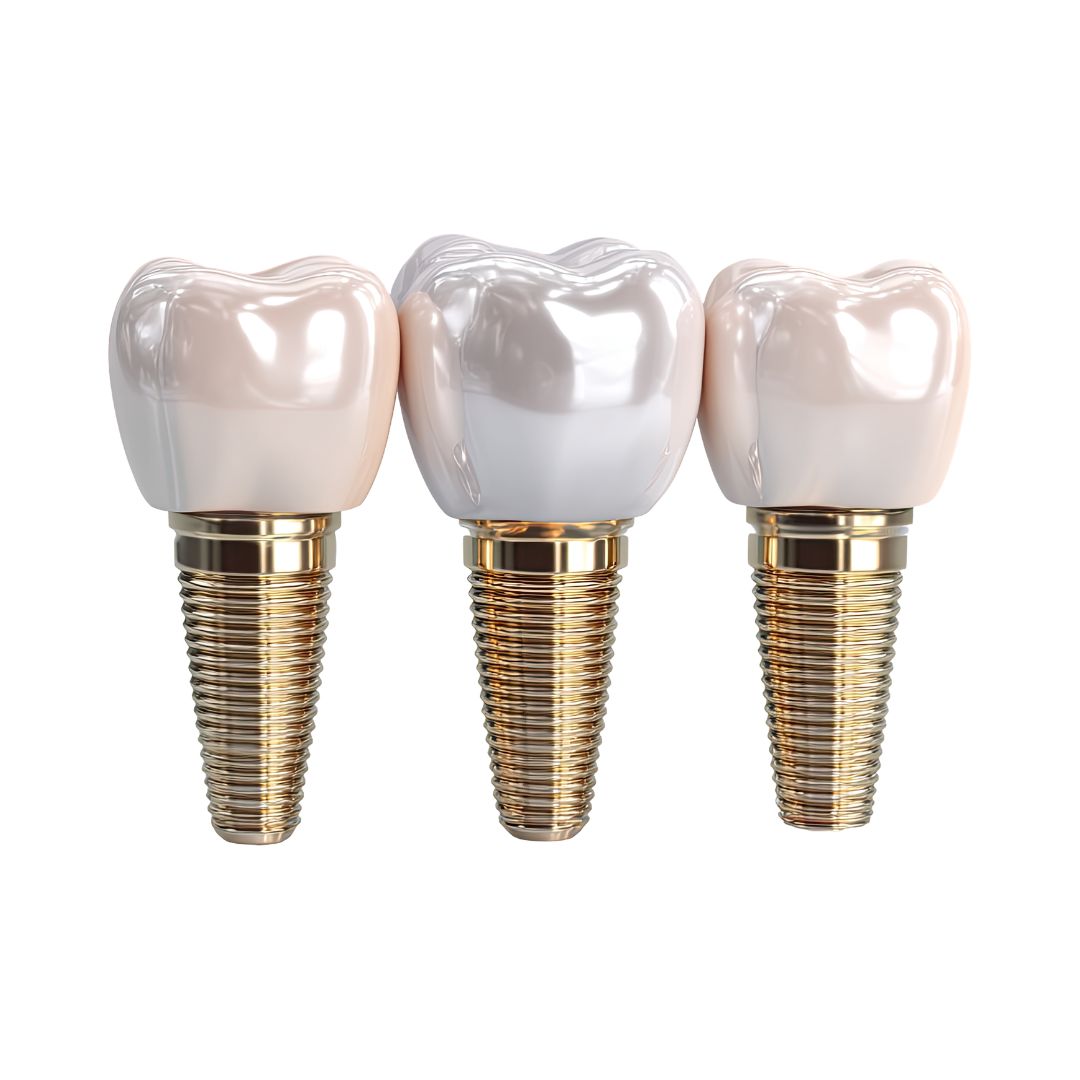
If you’ve invested in dental treatments like crowns, fillings, bridges, or implants, regular dental exams help protect that investment.
Even high-quality dental restorations can wear down over time. During your checkups, Dr. Warya carefully examines existing dental work to make sure everything is functioning properly.
Routine exams can identify:
- Small gaps forming around fillings
- Loose crowns or bridges
- Early wear on dental restorations
- Bite changes that place extra pressure on teeth
- Signs of decay beneath existing restorations
- Implant health and surrounding gum tissue
Finding these issues early often means a simple repair instead of replacing an entire restoration.
Your Oral Health Affects Your Overall Health
Your mouth is connected to the rest of your body.
Research has shown that poor oral health may be associated with several systemic health conditions, including:
- Diabetes
- Heart disease
- Stroke
- Respiratory infections
- Pregnancy complications
While a dental exam focuses on your teeth and gums, it also provides insight into your overall health. Dentists can often notice signs of medical conditions that may require further evaluation by your physician.
Maintaining healthy gums and teeth isn’t just about protecting your smile—it’s an important part of supporting your general well-being.
Who Should Have Dental Exams More Frequently?
Although many healthy adults benefit from exams every six months, some patients may need more frequent visits.
You may benefit from additional checkups if you:
- Have gum disease
- Have diabetes
- Smoke or use tobacco
- Are pregnant
- Wear braces or orthodontic appliances
- Have a history of frequent cavities
- Experience dry mouth
- Grind or clench your teeth
- Have extensive dental restorations
- Have a weakened immune system
During your appointment at Mur-Len Family Dentistry, Dr. Warya can recommend a schedule that’s tailored to your individual oral health needs.
Common Myths About Dental Exams
Many people avoid routine dental visits because of common misconceptions.
Myth: “If nothing hurts, my teeth are healthy.”
Reality: Most dental problems don’t cause pain until they’ve progressed significantly.
Myth: “Brushing and flossing are enough.”
Reality: Excellent home care is essential, but it can’t replace professional examinations, X-rays, and cleanings.
Myth: “Dental exams are expensive.”
Reality: Preventive care is generally much less costly than treating advanced dental problems.
Myth: “I only need to see the dentist when something breaks.”
Reality: Waiting for an emergency often leads to more complex treatment and longer recovery times.
Prevention Tips That Help Keep Dental Costs Low
The healthiest smiles are built on consistent daily habits combined with regular professional care.
Here are a few simple ways to reduce your risk of future dental problems:
- Brush twice daily using fluoride toothpaste.
- Floss every day.
- Limit sugary snacks and beverages.
- Drink plenty of water.
- Wear a mouthguard during sports.
- Use a nightguard if you grind your teeth.
- Avoid tobacco products.
- Replace your toothbrush every three to four months.
- Keep all recommended dental appointments.
Small habits today can prevent major dental expenses tomorrow.
When Should You Schedule a Dental Exam Right Away?
Don’t wait for your next routine visit if you experience:
- Persistent tooth pain
- Swollen gums
- Bleeding that doesn’t improve
- A chipped or broken tooth
- Loose teeth
- Bad breath that won’t go away
- Jaw pain
- Sensitivity that suddenly becomes severe
- A lost filling or crown
Prompt evaluation often prevents additional damage and helps preserve your natural teeth.
Preventive Care vs. Emergency Dental Treatment
Preventive Dental Care | Emergency Dental Treatment |
Routine dental exams | Emergency pain relief |
Professional cleanings | Root canal therapy |
Early cavity detection | Tooth extraction |
Gum disease prevention | Advanced periodontal treatment |
Small fillings | Large crowns or bridges |
Bite evaluation | Broken tooth repair |
Oral cancer screening | Treatment for dental infections |
Preventive dentistry focuses on keeping problems from developing, while emergency dentistry treats issues after they’ve become serious.
Why Patients in Olathe Trust Preventive Dentistry
Preventive care is one of the most valuable services offered at Mur-Len Family Dentistry.
Dr. Warya and the team take time to educate patients, monitor changes over time, and develop personalized treatment plans that prioritize long-term oral health.
By identifying concerns early, patients often avoid more extensive procedures and enjoy healthier smiles for years to come.
Whether you’re due for your first checkup in years or simply keeping up with your routine care, regular dental exams are one of the best investments you can make in your health.
Conclusion
It’s easy to postpone a dental appointment when everything feels normal. However, many dental problems begin quietly and progress without noticeable symptoms. By the time pain develops, treatment is often more complex than it would have been months earlier.
Routine dental exams provide an opportunity to detect problems early, protect your natural teeth, and reduce the likelihood of expensive restorative procedures in the future.
At Mur-Len Family Dentistry in Olathe, KS, Dr. Warya is committed to helping patients maintain healthy smiles through personalized preventive care. Whether it’s identifying a small cavity, monitoring gum health, or ensuring existing dental work remains in excellent condition, regular checkups can make a significant difference in your long-term oral health.
If it’s been more than six months since your last dental exam, scheduling a preventive visit today may help you avoid bigger dental problems tomorrow.
Frequently Asked Questions
1. How often should I have a dental exam?
Most adults should schedule a dental exam every six months. Some patients with gum disease, diabetes, or other oral health concerns may benefit from more frequent visits.
2. Do dental exams include professional cleanings?
In many cases, yes. Your dentist may recommend a cleaning during the same appointment or schedule it separately, depending on your oral health needs.
3. Can a dental exam detect cavities before they hurt?
Yes. Routine exams and digital X-rays often identify cavities long before they cause pain, making treatment simpler and more conservative.
4. Are dental X-rays safe?
Modern digital dental X-rays use very low levels of radiation and are considered safe for most patients while providing valuable diagnostic information.
5. Can regular dental exams help prevent tooth loss?
Absolutely. Early detection of decay, gum disease, and other oral health issues can significantly reduce the risk of losing natural teeth.
6. What if I haven’t been to the dentist in several years?
There’s no need to feel embarrassed. Your dentist’s goal is to evaluate your current oral health, discuss your concerns, and help you move forward with a personalized care plan.
7. Do dental exams screen for oral cancer?
Yes. Comprehensive dental exams often include an oral cancer screening to identify unusual sores, lesions, or tissue changes that may require further evaluation.
8. Why are preventive dental visits considered a good investment?
Preventive care helps detect and address small problems before they become larger, more expensive conditions, saving time, discomfort, and long-term treatment costs.