How Often Should You Visit the Dentist
If you’ve ever wondered, “How often should you visit the dentist?”, you’ve probably heard the familiar answer: every six months.
For many people, visiting the dentist twice a year is a helpful routine. But the truth is a little more nuanced. There isn’t one dental visit schedule that works perfectly for everyone. Your ideal appointment frequency depends on your oral health, risk factors, age, medical history, and history of cavities or gum disease.
Regular dental visits are an important part of preventive care because many oral health problems can develop before you notice pain or other obvious symptoms. In fact, the CDC reports that nearly 21% of adults ages 20–64 have at least one untreated cavity.
So, how often should you actually see your dentist? Let’s separate the six-month rule from what modern preventive dentistry really recommends.

Quick Answer: How Often Should You Visit the Dentist?
For many patients, visiting the dentist about every six months is a practical starting point for routine exams and preventive care. However, the ideal schedule is individualized. Patients with gum disease, a history of frequent cavities, certain medical conditions, pregnancy-related oral health changes, or other risk factors may need visits more frequently. Others with consistently healthy teeth and gums may be able to visit at longer intervals under their dentist’s guidance. The American Dental Association emphasizes that dental recall intervals should be tailored to a patient’s individual disease risk rather than treated as a universal rule.
2. Verify They Accept Your DentaIs the Six-Month Dental Checkup Really Necessary?al Insurance Before You Book
The idea of visiting the dentist every six months has become almost universal.
But it’s important to understand what “six months” really means.
It doesn’t mean every person needs exactly two dental visits each year. Instead, six months can serve as a useful reminder for many patients to maintain regular preventive care.
The ADA notes that there is not enough evidence to establish one optimal recall interval for preventing cavities or gum disease in every patient. Instead, dental professionals should consider individual risk when determining how frequently someone should return.
Your dentist may therefore recommend:
- Every 3–4 months for certain high-risk patients
- Every 6 months for many patients
- A longer interval for some patients with consistently low oral-health risk
The right schedule should be based on your needs—not simply the calendar.
Why Regular Dental Visits Matter
You may wonder why you need routine appointments if your teeth don’t hurt.
The problem is that pain isn’t always the first sign of a dental problem.
A cavity can develop without noticeable discomfort. Gum disease can progress quietly. A damaged filling can deteriorate before you realize something is wrong.
Routine appointments give your dental team an opportunity to identify these concerns earlier.
Dental Visits Help Detect Cavities Early
Tooth decay remains one of the most common oral health problems in the United States.
According to the CDC, about 1 in 5 adults ages 20–64 has at least one untreated cavity. Among adults 65 and older, nearly all—about 96%—have had a cavity at some point in their lives.
Regular dental examinations can identify developing decay before it progresses into a larger problem.
Depending on the situation, early treatment may involve a relatively simple restoration or preventive approach rather than more extensive treatment later.
Dental Visits Help Monitor Gum Health
Gum disease is another reason routine dental visits matter.
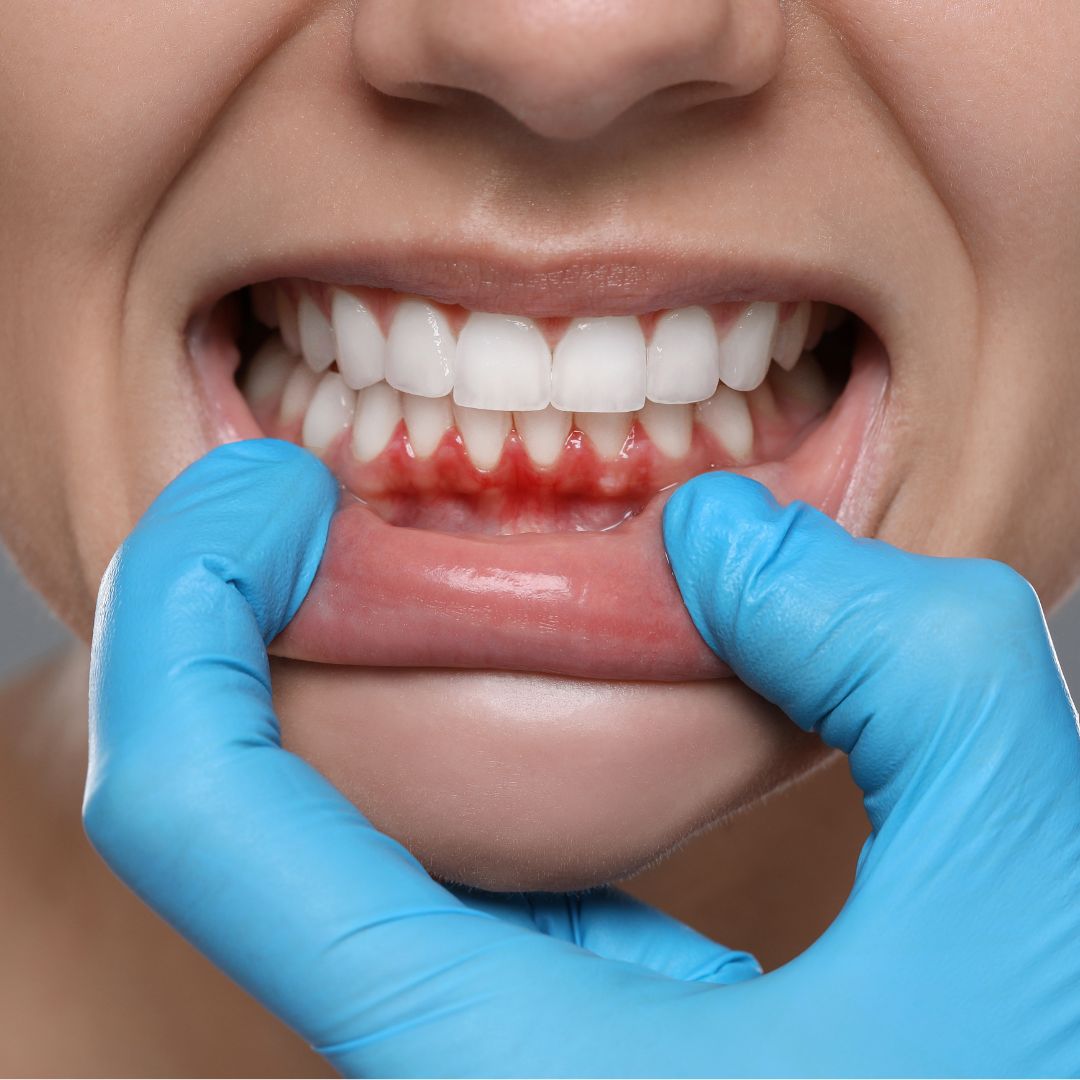
Early gum disease can cause:
- Red or swollen gums
- Bleeding during brushing or flossing
- Tenderness
- Persistent bad breath
Without treatment, periodontal disease can progress and contribute to bone and tooth loss.
The ADA notes that patients who have been treated for periodontitis may benefit from more frequent periodontal maintenance visits, potentially every 3–6 months, depending on their condition and risk of recurrence.
Who May Need Dental Visits More Often?
Six-month checkups may be appropriate for many patients, but some people need more frequent monitoring.
Your dentist may recommend shorter intervals if you have:
A History of Cavities
If you frequently develop cavities, your dentist may want to monitor your teeth more closely.
Gum Disease
Patients with gingivitis or periodontitis may require additional preventive or periodontal maintenance appointments.
Certain Medical Conditions
Some chronic conditions can affect oral health. The CDC notes that people with conditions such as diabetes and heart disease can have increased oral health challenges.
Dry Mouth
Reduced saliva can increase the risk of tooth decay because saliva helps protect teeth.
Tobacco Use
Smoking and other tobacco use are associated with increased oral health risks, including gum disease and tooth loss.
Pregnancy
Pregnancy can increase susceptibility to certain oral health problems, including cavities and gum disease. The CDC recommends dental care during pregnancy, particularly if tooth pain or sensitivity occurs.
Orthodontic Treatment
Patients wearing braces or other orthodontic appliances may need additional monitoring and professional cleaning because maintaining oral hygiene can become more challenging.
What Happens During a Routine Dental Visit?
A routine dental appointment isn’t simply about cleaning your teeth.
Depending on your needs, your visit may include:
- Review of your medical and dental history
- Examination of your teeth
- Gum health assessment
- Evaluation of existing fillings, crowns, or other restorations
- Oral cancer screening
- Dental X-rays when clinically indicated
- Professional cleaning
- Personalized oral hygiene recommendations
- Discussion of any symptoms or concerns
Importantly, dental X-rays aren’t automatically necessary at every visit.
Updated ADA recommendations released in 2026 emphasize that dental X-rays should be prescribed based on clinical need to reduce unnecessary radiation exposure.
Dental Exam vs. Dental Cleaning: Are They the Same?
Not exactly.
A dental exam focuses on evaluating your oral health and identifying potential problems.
A professional cleaning focuses on removing plaque, tartar, and deposits that regular brushing and flossing may not completely remove.
Many patients have both during the same appointment, but they serve different purposes.
Why Professional Cleanings Matter
Even with excellent home care, plaque can accumulate in areas that are difficult to reach.
Professional cleanings can help:
- Remove hardened tartar
- Reduce plaque buildup
- Support healthy gums
- Keep teeth feeling cleaner
- Make it easier for your dental team to monitor oral health
The ADA emphasizes that home oral care plays an important role in reducing the risk of cavities and periodontal disease, while professional dental care provides prevention, monitoring, and treatment.
How Often Should You Get Your Teeth Cleaned?
For many patients, professional cleanings every six months are a reasonable starting point.
However, cleaning frequency can vary.
Patients with periodontal disease or higher plaque and tartar buildup may need more frequent periodontal maintenance. Patients with excellent oral health may have a different schedule.
Your dentist or dental hygienist can recommend the appropriate frequency based on your individual needs.

What Happens If You Skip Dental Visits?
Oral health doesn’t exist separately from the rest of your body.
The CDC describes oral health as an important part of overall health and notes that adults can experience oral health challenges throughout life.
Regular dental visits can therefore contribute to a broader preventive healthcare strategy.
Your dentist may also identify unusual changes in the mouth that warrant further evaluation.
This is one reason routine dental care shouldn’t be viewed simply as cosmetic maintenance.
How Many Americans Actually Visit the Dentist?
Despite the importance of preventive care, many Americans don’t receive regular dental care.
CDC data from the 2020 Behavioral Risk Factor Surveillance System found that 64.8% of adults age 18 and older reported having a dental visit in the previous year.
That means a substantial portion of adults did not report a dental visit during that period.
Among adults 65 and older, CDC data show that 63.7% had a dental visit in 2022. Dental coverage also made a difference: 69.6% of older adults with dental coverage had visited a dentist compared with 56.4% of those without coverage.
These numbers highlight an important reality: regular dental care is valuable, but access, cost, insurance coverage, and other barriers can affect whether people receive it.
How to Make Your Dental Visits More Effective
Your appointment is only one part of preventive dental care.
Between visits:
- Brush twice daily with fluoride toothpaste.
- Clean between your teeth every day.
- Limit frequent sugary snacks and drinks.
- Don’t smoke or use tobacco.
- Drink water regularly.
- Wear a mouthguard for appropriate sports.
- Follow recommendations for periodontal or restorative care.
- Contact your dentist when you notice changes rather than waiting for your next appointment.
The ADA recommends individualized home-care guidance because oral-health needs differ from patient to patient.
When Should You See a Dentist Before Your Next Checkup?
Don’t wait for your scheduled appointment if you develop symptoms that could indicate a dental problem.
Contact your dentist if you experience:
- Persistent tooth pain
- Significant sensitivity
- Swollen gums
- Facial or jaw swelling
- A broken or cracked tooth
- A loose permanent tooth
- Persistent bleeding
- A sore in your mouth that doesn’t heal
- A lost filling or crown
- Signs of infection
Dental problems can become more difficult to manage when treatment is delayed.
The Bottom Line: How Often Should You Visit the Dentist?
So, how often should you visit the dentist?
For many people, every six months is a practical routine for preventive care. But there is no universal schedule that applies to every patient.
Your ideal frequency depends on your oral health history, cavity and gum-disease risk, medical conditions, lifestyle, age, and other factors.
The most important thing is to maintain a consistent relationship with your dental team and follow the personalized schedule they recommend.
Regular dental care isn’t simply about treating problems after they appear. It’s about finding potential problems early, protecting your natural teeth, supporting healthy gums, and maintaining your oral health over the long term.
Frequently Asked Questions
1. Is it really necessary to visit the dentist every six months?
Not necessarily for everyone. Six months is a common preventive interval, but your dentist may recommend visits more or less frequently depending on your individual oral-health risk.
2. What happens if I only go to the dentist once a year?
Some low-risk patients may be able to follow a longer recall interval, but others may need more frequent monitoring. Ask your dentist what schedule is appropriate for you.
3. How often should you get your teeth cleaned?
Many patients receive professional cleanings about every six months, but people with periodontal disease or other risk factors may need more frequent cleanings or periodontal maintenance.
4. Can I skip a dental visit if my teeth don’t hurt?
It’s better not to use pain as your only indicator of oral health. Cavities and gum disease can develop without obvious symptoms.
5. How often should children visit the dentist?
Children should have their dental care schedule determined by their dentist based on their age, development, cavity risk, and oral-health needs.
6. Do I need dental X-rays at every checkup?
No. X-rays should be prescribed based on clinical need. Updated ADA recommendations emphasize appropriate patient selection and avoiding unnecessary imaging.
7. Should I visit the dentist more often if I have gum disease?
Often, yes. Patients with periodontitis may benefit from more frequent periodontal maintenance, with the ADA noting that intervals of approximately 3–6 months may be appropriate depending on the patient’s condition.
8. What is the best way to prevent dental problems between visits?
Brush twice daily with fluoride toothpaste, clean between your teeth daily, maintain a balanced diet, avoid tobacco, and follow the personalized recommendations provided by your dental team.
Conclusion
There is no magic number that determines how often every person should visit the dentist. While the traditional six-month checkup remains a useful routine for many patients, modern preventive dentistry focuses increasingly on individual risk and personalized care.
Regular dental exams and professional cleanings can help identify problems before they become more serious, while consistent home care helps protect your teeth and gums between appointments.
If you’re overdue for a dental visit—or simply aren’t sure whether your current schedule is right for you—talk with your dentist about a preventive care plan tailored to your needs.
Your smile doesn’t need to wait for a problem before it gets attention. Regular preventive care can help you maintain healthier teeth and gums for years to come.