Root Canal Guide - Olathe, KS
Do You Need a Root Canal? 7 Warning Signs You Shouldn't Ignore
Quick answer
You may need a root canal if you have persistent tooth pain, prolonged sensitivity to hot or cold, a darkening tooth, swollen or tender gums, a pimple-like bump on the gums, pain when chewing, or a cracked tooth. Only a dentist can confirm with an exam and X-ray. A root canal relieves pain and saves the tooth, and modern treatment feels much like a filling. Dr. Warya at Mur-Len Family Dentistry in Olathe, KS can help. Call (913) 353-4001.
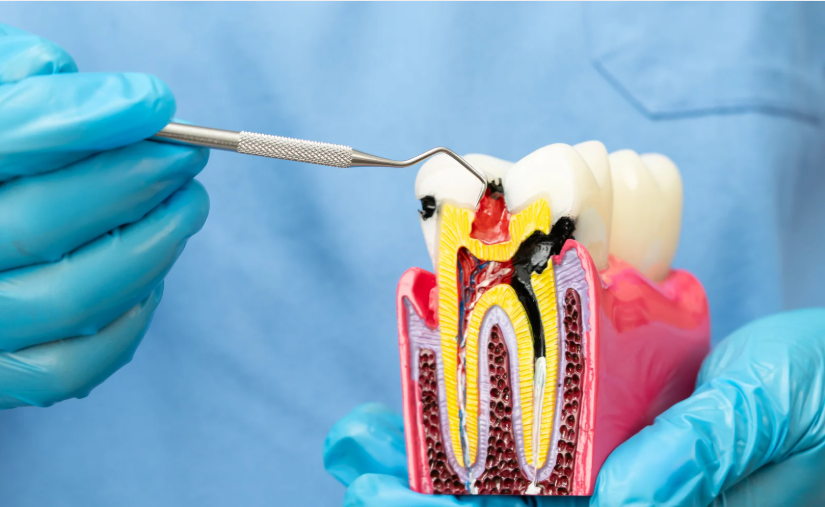
The phrase "root canal" makes a lot of people nervous, but here is the truth: a root canal is the treatment that relieves tooth pain, not the cause of it, and modern root canals feel much like getting a routine filling. The real problem is waiting too long. When an infection inside a tooth goes untreated, it can spread, cause an abscess, and lead to losing the tooth entirely. At Mur-Len Family Dentistry in Olathe, KS, Dr. Warya wants you to recognize the warning signs early, when treatment is simplest and your natural tooth can most easily be saved.
What is a root canal, exactly?
Inside every tooth is a soft tissue called the pulp, which contains the nerves and blood vessels. When the pulp becomes infected or inflamed, usually from deep decay, a crack, trauma, or repeated dental work, it can cause significant pain and, if left untreated, an abscess. A root canal treats this by removing the damaged pulp, cleaning and disinfecting the inside of the tooth, and sealing it. The tooth is then usually restored with a crown so it can function normally for years to come.
7 warning signs you may need a root canal
Watch for these signs, and if you notice any of them, contact us for an evaluation. Early treatment is more comfortable and gives the best chance of saving the tooth.
1. Persistent tooth pain
Pain that lingers, comes and goes, or keeps returning, especially deep in the tooth or when you apply pressure, is one of the most common signs. If a toothache will not go away or wakes you at night, it is worth getting checked.
2. Prolonged sensitivity to hot or cold
Brief sensitivity is normal for many people, but if a tooth stays painful for several seconds or longer after you eat or drink something hot or cold, that lingering sensitivity can indicate the pulp is damaged.
3. A darkening or discolored tooth
A single tooth that turns gray or darkens compared to the ones around it can signal that the pulp inside has died or is dying, often after trauma or deep decay.
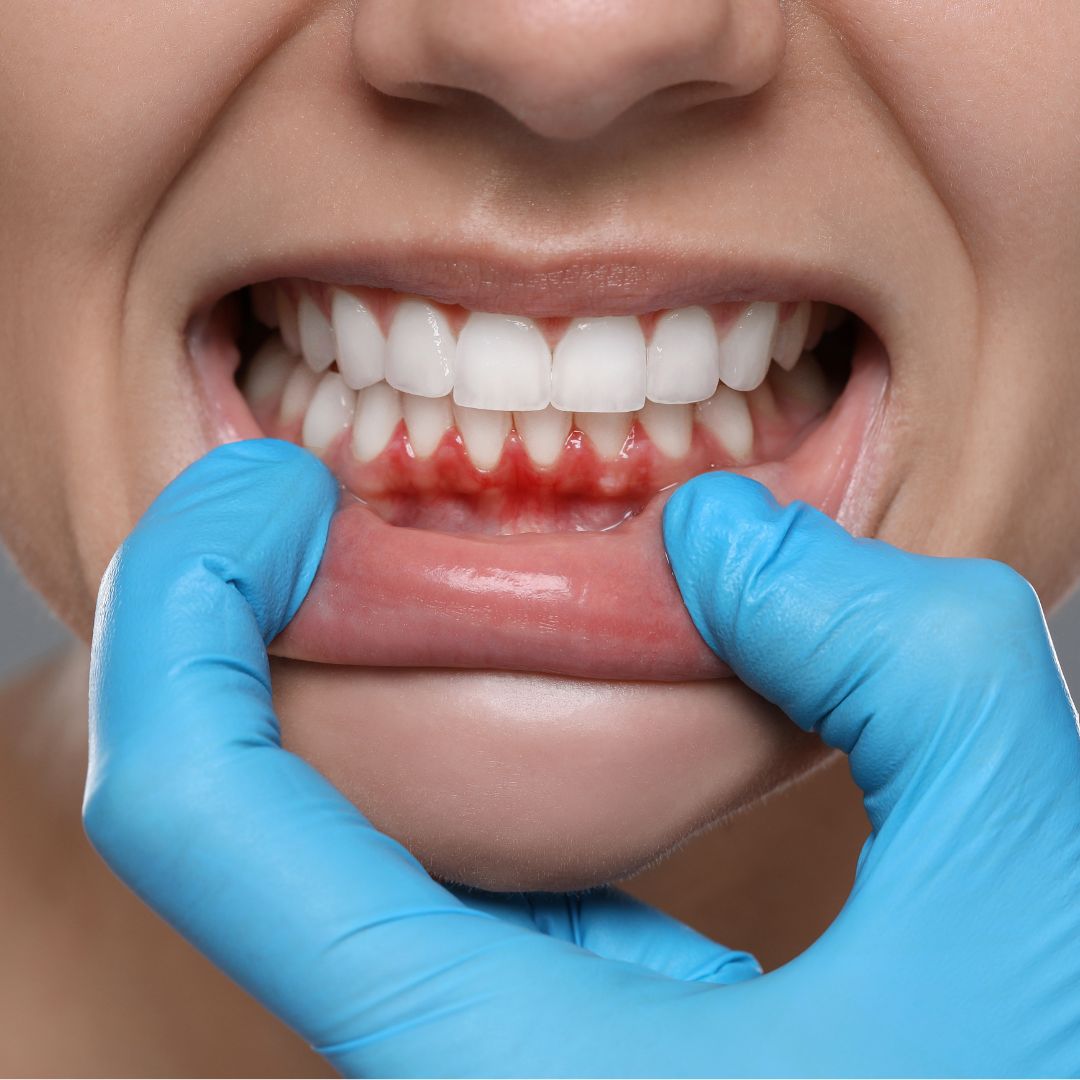
4. Swollen, tender, or sore gums
Swelling or tenderness in the gums near a specific tooth, especially if it comes and goes, can point to infection at the root that needs attention.
5. A pimple-like bump on the gums
A small, pimple-like bump on the gums (sometimes called a gum boil or abscess) that may release a bad taste or odor is a strong sign of infection and should be evaluated promptly.
6. Pain when chewing or touching the tooth
If biting down or even touching a particular tooth causes sharp or aching pain, the pulp or the tissue around the root may be inflamed or infected.
7. A cracked or chipped tooth
A crack or chip can expose the pulp to bacteria, leading to infection. Even if a cracked tooth does not hurt at first, it can develop into a problem that needs a root canal.
Important: some infected teeth stop hurting
Sometimes the pain from an infected tooth fades, which can feel like the problem went away. It often has not. The infection can still be spreading silently. If you had significant tooth pain that suddenly stopped, do not assume it healed - get it checked.
Does a root canal hurt?
This is the number one question we hear, and the answer surprises people: no. The pain patients associate with root canals actually comes from the infection, and the treatment relieves it. Dr. Warya uses gentle, thorough anesthesia so the procedure feels much like having a filling placed. For patients with dental anxiety, Mur-Len also offers sedation options, including nitrous oxide, to make treatment completely comfortable. Most patients feel dramatically better afterward because the source of the pain is gone.
Why saving your natural tooth matters
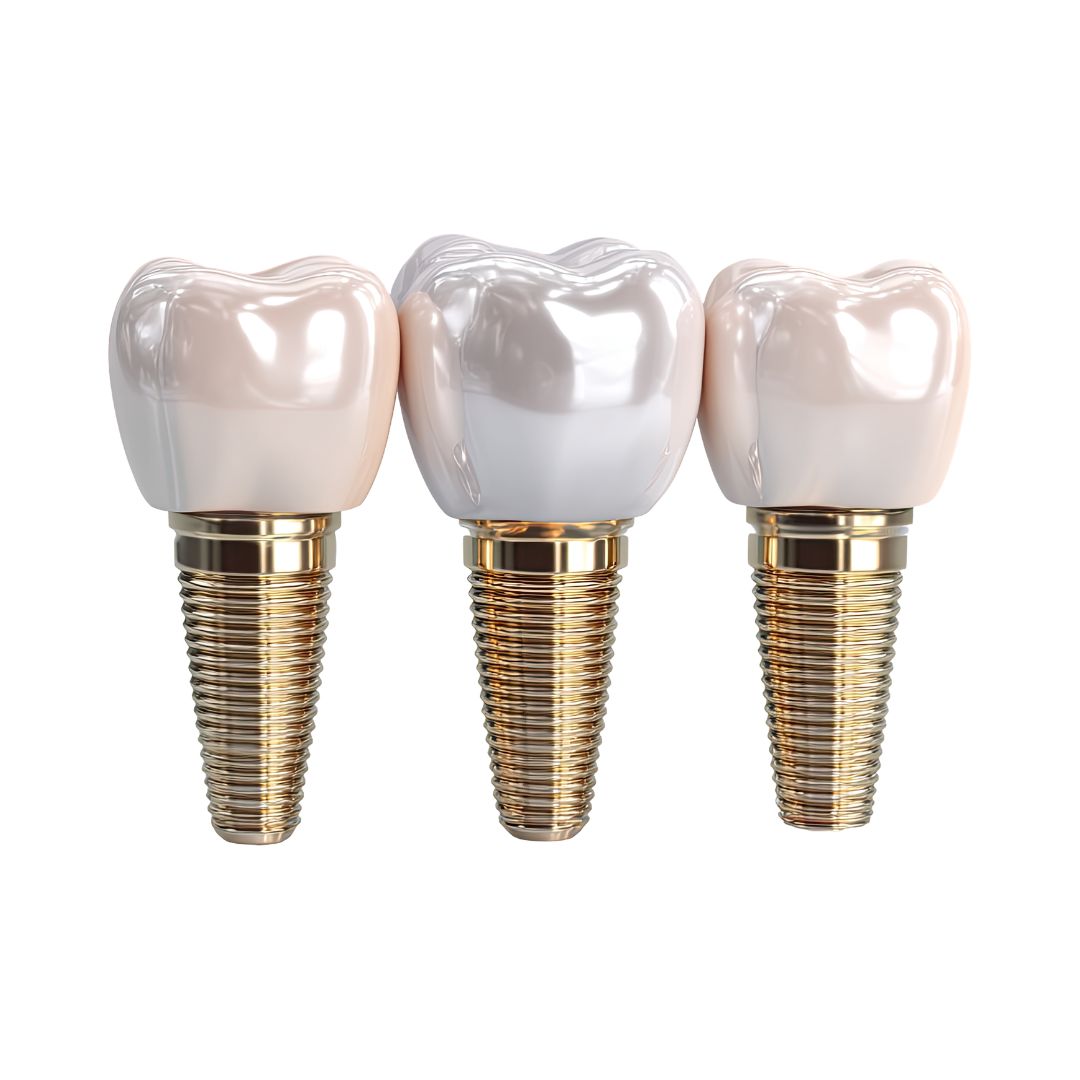
Whenever possible, keeping your natural tooth is the healthiest choice. A root canal lets you do exactly that, preserving your bite, your jawbone, and the alignment of your other teeth, and avoiding the need for an extraction and a more involved replacement like an implant or bridge. Nothing functions quite like your own tooth, which is why Dr. Warya prioritizes saving it when she can.
| Root canal (save the tooth) | Extraction (remove the tooth) | |
|---|---|---|
| Keeps your natural tooth | Yes | No |
| Preserves jawbone and bite | Yes | Bone may shrink over time |
| Follow-up needed | Usually a crown | Often a bridge or implant to fill the gap |
| Typical long-term cost | Often lower overall | Higher once replacement is added |
What to expect at your visit
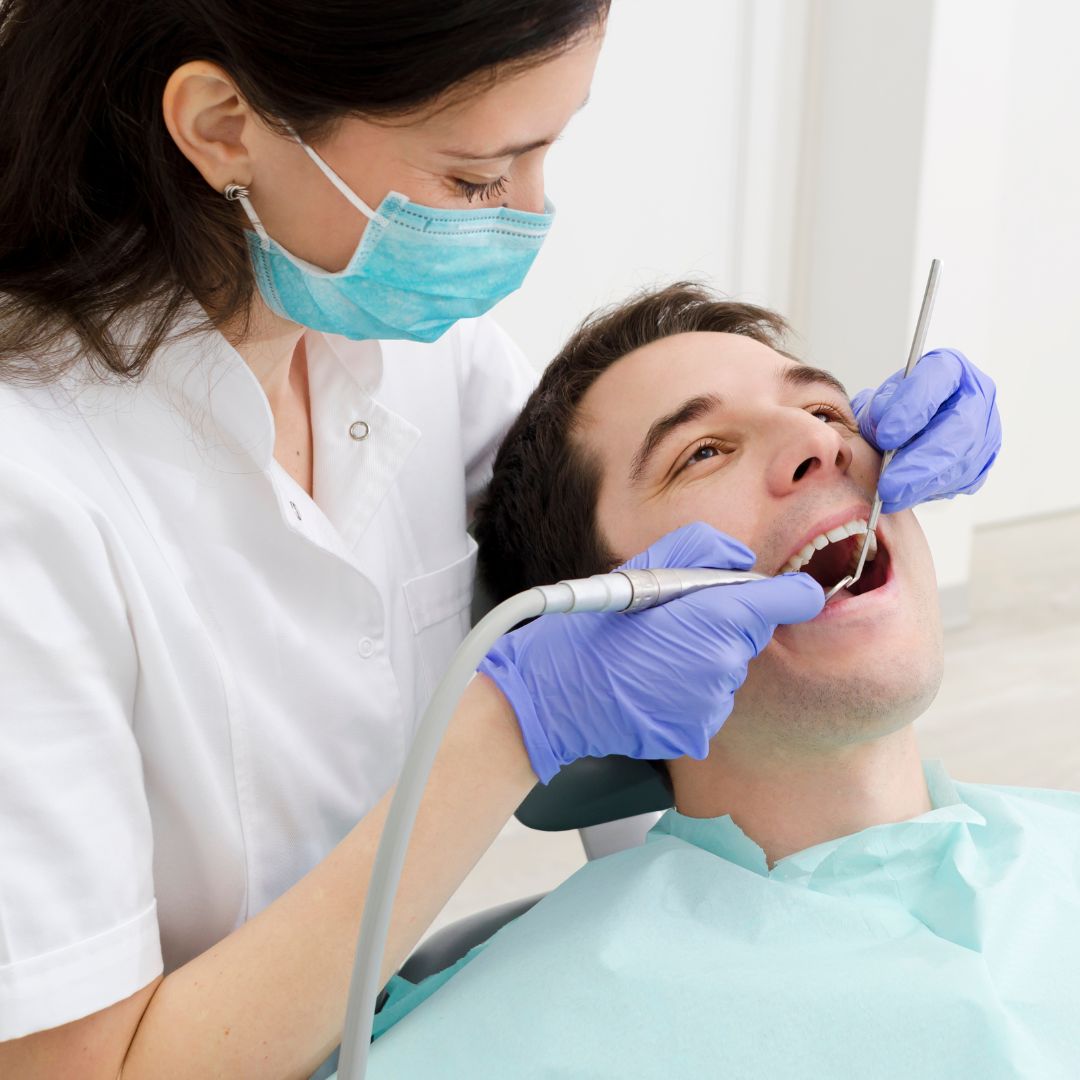
If you have any of the warning signs above, the first step is an exam and X-ray to determine what is happening. If a root canal is needed, Dr. Warya will numb the tooth, remove the infected pulp, clean and seal the inside, and typically protect the tooth with a crown, often using Mur-Len's CEREC same-day crown technology. The process is usually more straightforward than patients expect, and recovery is quick, with any mild tenderness easily managed with over-the-counter pain relievers.
Don't wait: early treatment saves teeth in Olathe
The single most important takeaway is not to ignore the signs. A tooth that could be saved with a simple root canal today may not be savable in a few months. If you are experiencing any of these symptoms, Dr. Warya offers same-day emergency appointments at Mur-Len Family Dentistry, serving Olathe and the surrounding Johnson County communities including Overland Park, Lenexa, Shawnee, Gardner, and Spring Hill.
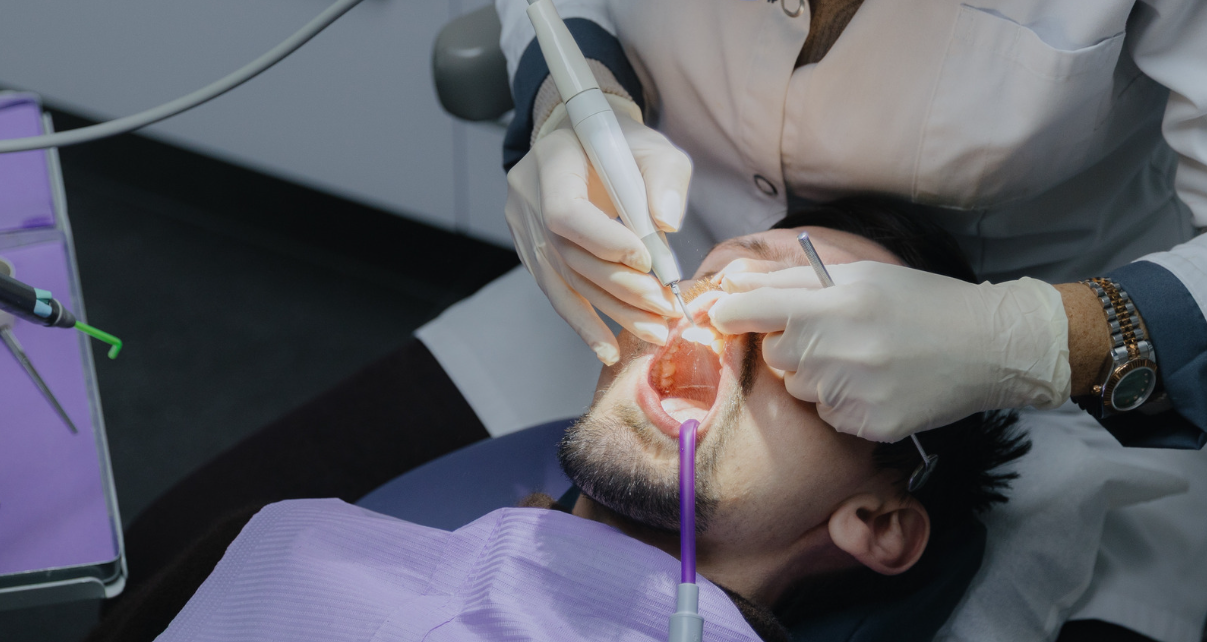
In pain? Get relief at Mur-Len Family Dentistry
Dr. Warya offers same-day emergency appointments and gentle, comfortable root canal treatment in Olathe. Do not wait to get checked.
Frequently asked questions
How do I know if I need a root canal or just a filling?
Does a root canal hurt?
What happens if I ignore the signs of a root canal?
Can a tooth that stopped hurting still need a root canal?
How long does a root canal take to heal?
How much does a root canal cost in Olathe?
Medical sources
- American Association of Endodontists - root canal treatment and symptoms
- American Dental Association (ADA) - endodontic therapy and saving natural teeth
- American Association of Endodontists - cracked teeth and pulp infection
This article is for general educational purposes and is not a substitute for professional dental advice, diagnosis, or treatment. If you are experiencing tooth pain or other symptoms, consult Dr. Navkiran Warya or a qualified dentist promptly for an accurate diagnosis.