Gum Disease Treatment in Olathe, KS
Expert dental care in Olathe, KS. Accepting new patients. Saturday: By Appointment Only
Request Appointment → 📞 (913) 353-4001Gum disease is the most widespread chronic condition in adult oral health and one of the most systematically undertreated. The American Academy of Periodontology estimates that nearly half of American adults over 30 have some form of gum disease. Among adults over 65, the Centers for Disease Control and Prevention places that number closer to 70 percent. Yet the majority of patients with active gum disease have never received treatment beyond a standard cleaning.
The reason is straightforward: many general dental offices evaluate and treat gum disease based on the scope of care they provide. More advanced cases may be referred to a periodontist when additional evaluation or treatment is needed. Complex cases get referred to a periodontist. Moderate cases get a slightly more thorough cleaning and a watch-and-wait approach. The disease continues progressing.
At Mur-Len Family Dentistry in Olathe, Dr. Warya provides comprehensive gum disease evaluation and treatment as part of her general dentistry services, focusing on early detection, personalized treatment planning, and ongoing periodontal maintenance to help patients achieve healthier smiles.
Request an appointment or call (913) 353-4001.
What Gum Disease Actually Is - And Why Most People Do Not Know They Have It
Gum disease is a bacterial infection of the structures that support the teeth. It does not begin in the teeth themselves - it begins in the space between the teeth and the gum tissue, in the shallow groove called the sulcus. When bacterial biofilm accumulates in this space and is not adequately removed by brushing, flossing, and professional cleaning, the bacteria trigger an inflammatory immune response in the surrounding tissue.
What makes gum disease so difficult to self-diagnose is that it is frequently painless, particularly in its earlier stages. The most common warning sign - bleeding gums when brushing or flossing - is so frequently dismissed as normal that the American Dental Association lists it as one of the most consistently overlooked symptoms in adult oral health. Bleeding gums are not normal. They signal infection.
The Progression of Gum Disease
Stage 1 - Gingivitis: The infection is confined to the gum tissue. Signs include redness, swelling, and bleeding on probing. No bone or ligament loss has occurred yet. This stage is completely reversible with professional treatment and improved home care. Patients who receive treatment at this stage avoid gum disease's most serious long-term consequences entirely.
Stage 2 - Mild to Moderate Periodontitis: The bacterial infection has spread below the gumline and begun destroying the bone and periodontal ligaments that anchor the teeth in the jaw. Pocket depths deepen. Bone loss is visible on X-rays. This stage is no longer reversible - the lost bone does not grow back - but it is highly manageable with professional treatment and consistent maintenance. Without intervention, it continues to progress.
Stage 3 - Severe Periodontitis: Significant bone loss has occurred. Teeth may be mobile. Deep pockets and furcation involvement (bone loss between the roots of multi-rooted teeth) are present. Tooth loss becomes increasingly likely. Treatment at this stage is more intensive and outcomes depend on how much bone and ligament architecture remains.
Stage 4 - Advanced Periodontitis: Extensive bone loss, severe tooth mobility, and compromised chewing function. This stage often involves difficult decisions about which teeth can be saved and what reconstructive options are realistic. This stage is entirely preventable with earlier intervention.
The transition from gingivitis to periodontitis happens gradually, often over years, without the patient knowing. This is why professional evaluation with pocket depth measurements - not just a visual check - is the only reliable detection method.
Warning Signs You Should Not Ignore
Contact Mur-Len Family Dentistry at (913) 353-4001 if you are experiencing any of the following:
- Bleeding gums when brushing, flossing, or even eating hard foods
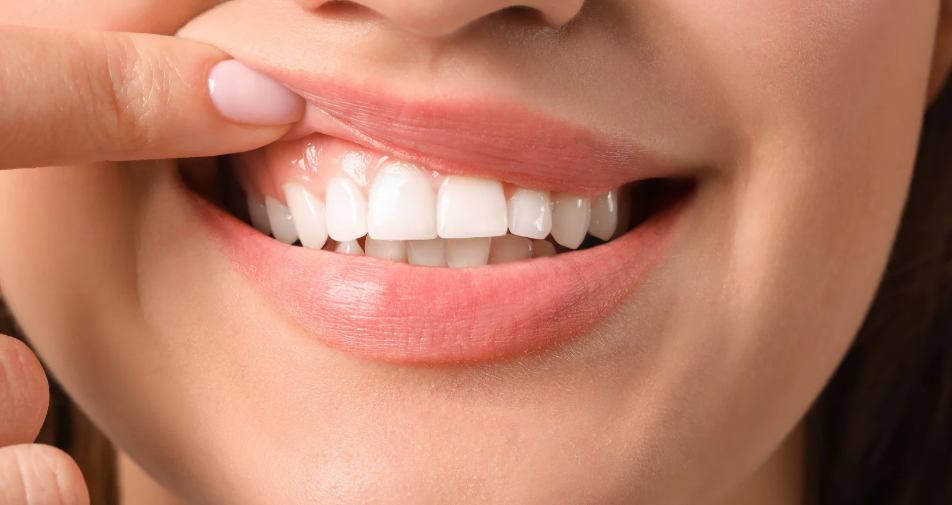
- Red, swollen, or puffy gum tissue - healthy gums are firm, pale pink, and do not bleed
- Gum recession - teeth appearing longer than they used to, or root surfaces becoming visible
- Persistent bad breath that does not resolve with brushing, flossing, or mouthwash
- Loose or shifting teeth - if teeth feel different when you bite down or have visibly moved
- Pockets or spaces forming between teeth and gum tissue at the gumline
- Pain when chewing or pressure sensitivity along the gumline
- Pus between teeth and gum tissue - this signals active bacterial infection
- Changes in how your dentures or partial dentures fit - bone changes affect the jaw ridge
Many patients who come to Mur-Len Family Dentistry for a first evaluation report that they had several of these symptoms for months or years but assumed they were normal. They are not. Each one is your body signaling an active infection that will continue progressing without treatment.
Gum Disease Care at Mur-Len Family Dentistry
Gum health is checked as part of every comprehensive exam at Mur-Len Family Dentistry. During your visit, we evaluate your gums for signs of inflammation, recession, and bone loss, so problems are caught early, when treatment is simplest and most effective.
If gum disease is found, Dr. Warya will explain exactly what she sees, answer your questions, and walk you through your options. Treatment depends on the stage: early gingivitis can often be reversed with a professional cleaning and improved home care, while more advanced cases may call for a deeper cleaning known as scaling and root planing. Whatever your situation, you will leave with a clear diagnosis and a straightforward plan, never a hard sell.
Because healthy gums are the foundation for everything else, from fillings and crowns to implants and cosmetic work, staying on top of gum health protects both your smile and any dental work you invest in. Our team is here to make that easy with gentle care, honest guidance, and flexible scheduling for busy families in Olathe.
Gum Disease Treatment Options at Mur-Len Family Dentistry
Comprehensive Periodontal Evaluation
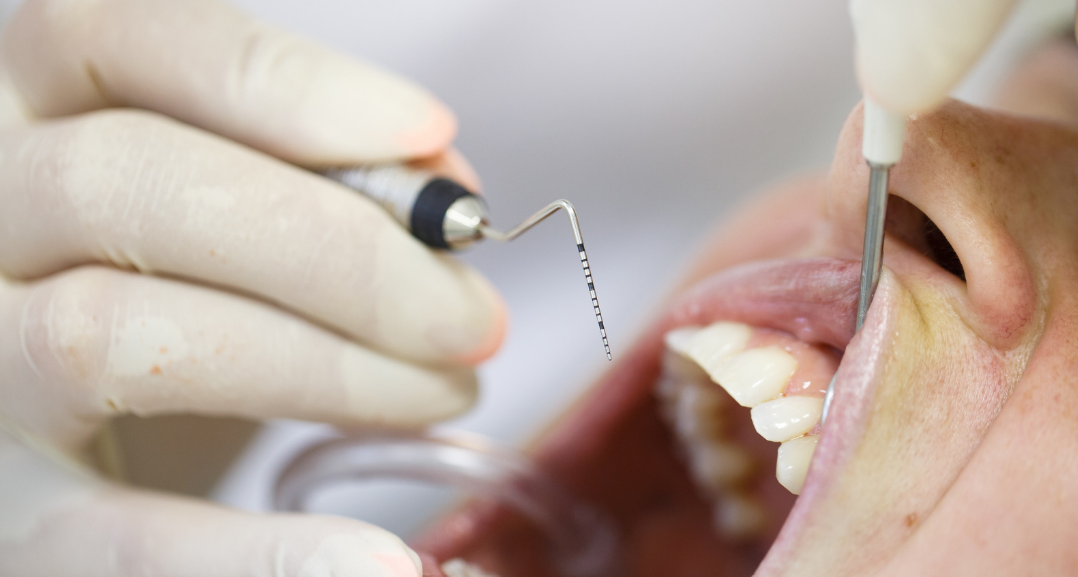
Every new patient at Mur-Len Family Dentistry receives a full periodontal evaluation as a standard part of their comprehensive exam. This includes probing at six sites around every tooth to measure pocket depths, bleeding on probing documentation, recession measurement, mobility assessment, furcation involvement evaluation on multi-rooted teeth, and full-mouth digital X-rays with bone level assessment. This is a clinical periodontal examination - not a visual gum check.
For patients coming in with known gum disease or with significant time elapsed since their last evaluation, Dr. Warya conducts a more detailed periodontal chart and may request additional imaging depending on what the clinical examination reveals.
Non-Surgical Periodontal Treatment - Scaling and Root Planing
Scaling and root planing is the gold-standard non-surgical treatment for periodontitis. It is performed under local anesthesia and goes substantially deeper than a routine prophylaxis cleaning. The procedure involves two components:
Scaling removes the hardened bacterial deposits (calculus) that have accumulated on the tooth surfaces above and below the gumline, including within the periodontal pockets. These deposits cannot be removed by brushing and require professional instrumentation to disrupt.
Root planing smooths the exposed root surfaces after scaling. Calculus and bacterial toxins leave root surfaces rough and irregular. Rough surfaces provide footholds for bacterial reattachment. Planing removes this contaminated layer and creates a smooth, clean surface that allows gum tissue to re-adhere to the tooth root and reduces pocket depth over time.
Scaling and root planing is typically divided into two appointments - one covering the right side of the mouth and one covering the left - to allow adequate anesthesia coverage without leaving the patient unable to eat comfortably. Each appointment runs approximately 60 to 90 minutes.
At Mur-Len Family Dentistry, Dr. Warya performs scaling and root planing as part of a comprehensive approach to treating gum disease. This non-surgical procedure helps remove plaque, tartar, and bacteria from below the gumline while smoothing tooth root surfaces to support healing. Treatment is tailored to each patient's individual needs and is designed to promote healthier gums and improved oral health.
Periodontal Maintenance
Scaling and root planing arrests the active infection and allows healing to begin. It does not eliminate the genetic and environmental susceptibility that made the patient develop periodontitis in the first place. Bacteria recolonize below the gumline over time, typically reaching concerning levels within 90 to 120 days. This is why periodontal maintenance appointments every three to four months are the clinical standard of care for gum disease patients - not an upsell.
At each periodontal maintenance appointment, Dr. Warya re-probes the full mouth to document pocket depths, removes the bacterial biofilm that has reaccumulated since the last visit, evaluates healing of previously treated areas, identifies any sites showing signs of reactivation, and adjusts the treatment plan accordingly. The goal is not simply to clean teeth - it is to manage a chronic bacterial disease on a schedule that stays ahead of its progression.
Patients who maintain their periodontal maintenance schedule consistently can achieve long-term stability, preserve their natural teeth, and in many cases prevent the need for more invasive intervention for decades.
Systemic Health Coordination
Dr. Warya recognizes the important connection between oral health and overall health. For patients who are diabetic, pregnant, have a history of cardiovascular disease, or are managing respiratory conditions, these factors are taken into consideration when planning gum disease treatment. When appropriate, she may communicate with a patient's primary care physician or other healthcare providers to help ensure coordinated care. Treatment recommendations are tailored to each patient's individual health needs and complete medical history.
Gum Disease and Your Overall Health - What the Research Shows
The mouth is not separate from the rest of the body. Periodontal bacteria and the inflammatory proteins they trigger do not remain localized to the gum tissue - they enter the bloodstream through the highly vascular, compromised tissue of the diseased gum pocket and circulate systemically. The evidence for systemic consequences of untreated gum disease has grown substantially over the past two decades.
Cardiovascular Disease
Multiple large-scale studies including research published in the Journal of the American Heart Association have found that people with periodontitis have a significantly elevated risk of heart disease, atherosclerosis, and stroke compared to those without gum disease. The proposed mechanisms include direct bacterial seeding of arterial plaque and systemic inflammatory burden from chronic oral infection. The American Heart Association now recognizes the association between gum disease and cardiovascular risk.
Diabetes
The relationship between gum disease and diabetes is bidirectional and clinically important. Uncontrolled diabetes impairs immune response and blood vessel function in the gums, dramatically increasing susceptibility to periodontal infection. Active periodontal infection simultaneously increases systemic inflammatory markers and insulin resistance, making blood sugar control more difficult. Clinical studies demonstrate that treating gum disease in diabetic patients reduces HbA1c by approximately 0.4 percentage points - a reduction comparable to adding a second diabetes medication. For patients in Olathe and Johnson County who are managing diabetes, Dr. Warya's understanding of this relationship makes her approach to gum disease treatment genuinely integrated with their overall health management.
Pregnancy
Pregnant women with untreated gum disease face significantly elevated risk of preterm birth and low birth weight according to research published in the Journal of Periodontology. Periodontal bacteria can reach the placenta via the bloodstream and trigger inflammatory responses that contribute to premature labor. Gum disease treatment is safe during the second trimester and is considered standard preventive care in pregnancy by the American Congress of Obstetricians and Gynecologists.
Respiratory Disease
Oral bacteria from untreated gum disease can be aspirated into the lungs and contribute to respiratory infections including pneumonia and COPD exacerbations. Research in the Journal of Periodontology found a significantly elevated prevalence of chronic respiratory disease in patients with untreated gum disease. For elderly patients and those with compromised respiratory systems, maintaining gum health is particularly important.
Cognitive Health
Emerging research suggests a link between chronic periodontal infection and increased risk of cognitive decline and Alzheimer's disease. A landmark study in Science Advances (2019) identified Porphyromonas gingivalis - the primary pathogen in gum disease - in the brains of Alzheimer's patients, with evidence of bacterial migration from oral tissue. While causality has not been definitively established, the association adds to the growing body of evidence that treating gum disease has health implications well beyond the mouth.
How to Know if You Have Gum Disease - The Evaluation Process
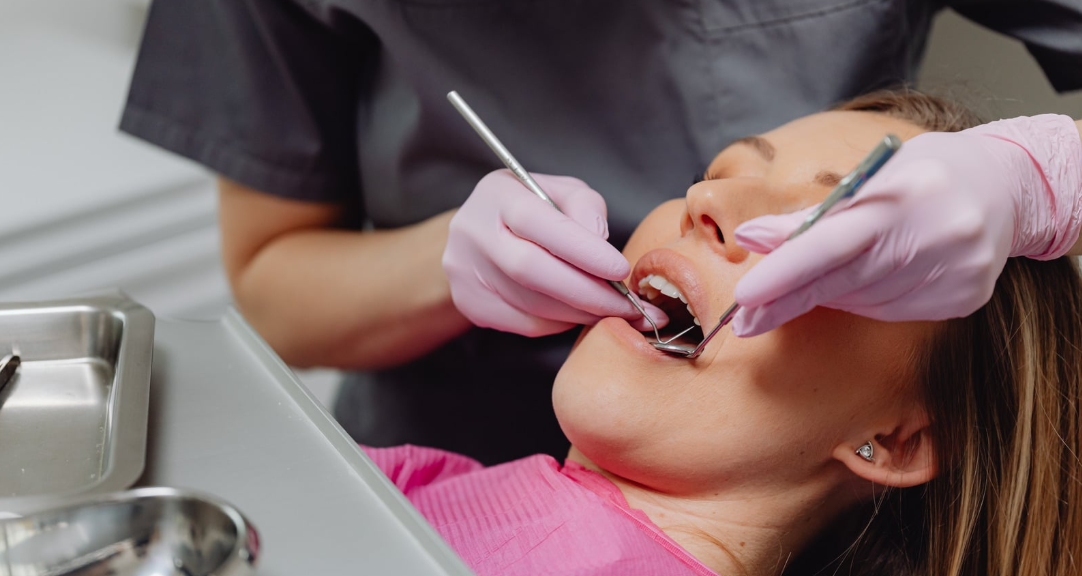
The only reliable way to know whether you have gum disease, how severe it is, and what treatment you need is a professional evaluation with pocket depth measurements. Visual inspection alone is insufficient. Many patients with significant bone loss have gum tissue that looks relatively normal from the outside.
At your first appointment at Mur-Len Family Dentistry, Dr. Navkiran Warya DDS will use a periodontal probe - a thin calibrated instrument - to measure the depth of the sulcus around every tooth. Healthy depths are one to three millimeters. Depths of four millimeters or greater indicate a periodontal pocket - a space that has deepened as the tissue detaches from the tooth root due to infection. Depths of five to seven millimeters indicate moderate periodontitis. Depths of seven millimeters and beyond indicate severe disease.
These measurements, combined with digital X-rays showing bone levels and a clinical assessment of bleeding, mobility, and tissue quality, give Dr. Warya a complete picture of your periodontal status. She then walks you through exactly what she found, what stage of disease is present, what treatment is recommended, and what that treatment will cost before anything is scheduled.
There is no pressure and no obligation. The first step is simply knowing where you stand.
Why Olathe and Johnson County Patients Choose Mur-Len for Gum Disease Care
Olathe is home to many dental practices that provide care for patients with a variety of oral health needs. At Mur-Len Family Dentistry, Dr. Navkiran Warya offers comprehensive gum disease evaluation and treatment as part of her general dentistry services. She focuses on helping patients understand their oral health, identify concerns early, and develop personalized treatment plans that support long-term gum health.
For patients who have been diagnosed with gum disease or who have concerns about their gum health, Mur-Len Family Dentistry offers comprehensive evaluations and personalized treatment options. Dr. Warya takes the time to assess each patient's condition, discuss available treatment approaches, and develop a care plan based on their individual needs and oral health goals. Whether you are seeking treatment for an existing condition or looking to better understand your gum health, our team is here to provide guidance and support every step of the way.
Our office at 1717 S Mur-Len Road is convenient for patients throughout Olathe, Overland Park, Lenexa, Gardner, De Soto, Shawnee, and the broader Johnson County area. Saturday appointments are available by appointment only.
Frequently Asked Questions
Ready to Experience Better Dental Care in Olathe?
New patients welcome. Saturday appointments available by appointment only. Most major insurance accepted. No surprise bills.